

Redis Cloud Databases
Deployment and administration of Redis databases in the cloud for data storage, caching, and message queue management.
Why You Should Rent Cloud Databases in Servercore
Create a clusterRedirect a significant portion of user requests to the cache and store them in Redis to accelerate website or application performance.
The service utilizes high-frequency RAM of up to 3.2 GHz. Processors, combined with Intel® Xeon® Gold 6454 Turbo Boost, ensure optimal performance for your cache.
Redis clustering functionality within the service enables achieving high SLA metrics for your system.
The Redis service is certified and compliant with PCI DSS 3.2.1, ISO/IEC 27001, ISO/IEC 27017, and ISO/IEC 27018 security standards.
Security of Servercore Solutions and Data Protection
We ensure information security measures at all levels of data access — from application to data center.
Our solutions comply with standards ISO, PCI DSS, GDPR, DPA 2019, as confirmed by relevant certificates.
Deploy services across several data centers located in Kenya, Uzbekistan or Kazakhstan to enhance the fault tolerance of your IT systems.
Servercore is Stable, Simple, and Offers Local Infrastructure
Request a consultationIaaS и PaaS
Availability zones in Kenya, Uzbekistan, and Kazakhstan
IAM service for managing authorization and access levels
SLA up to 100%
Compliance with GDPR and DPA 2019
PCI DSS
Free migration
Billing in Kenyan shillings
Payment by MPesa or bank transfer
24/7



Our Сustomer Stories

















Choose the Region Where You Want to Deploy Your Service


-
 Dedicated Servers
-
 Cloud Servers
-
 Cloud Databases
-
 Managed Kubernetes
-
Dedicated Servers
-
Cloud Servers
-
Cloud Databases
-
Managed Kubernetes

-
Dedicated Servers
-
Cloud Servers
-
Cloud Databases
-
Managed Kubernetes
-
Dedicated Servers
-
Cloud Servers
-
S3
-
Managed Kubernetes
-
Dedicated Servers
-
Cloud Servers
-
Cloud Databases
-
Managed Kubernetes
Tier III data center in Nairobi
Compliance with global and local security standards
Five levels of client data protection
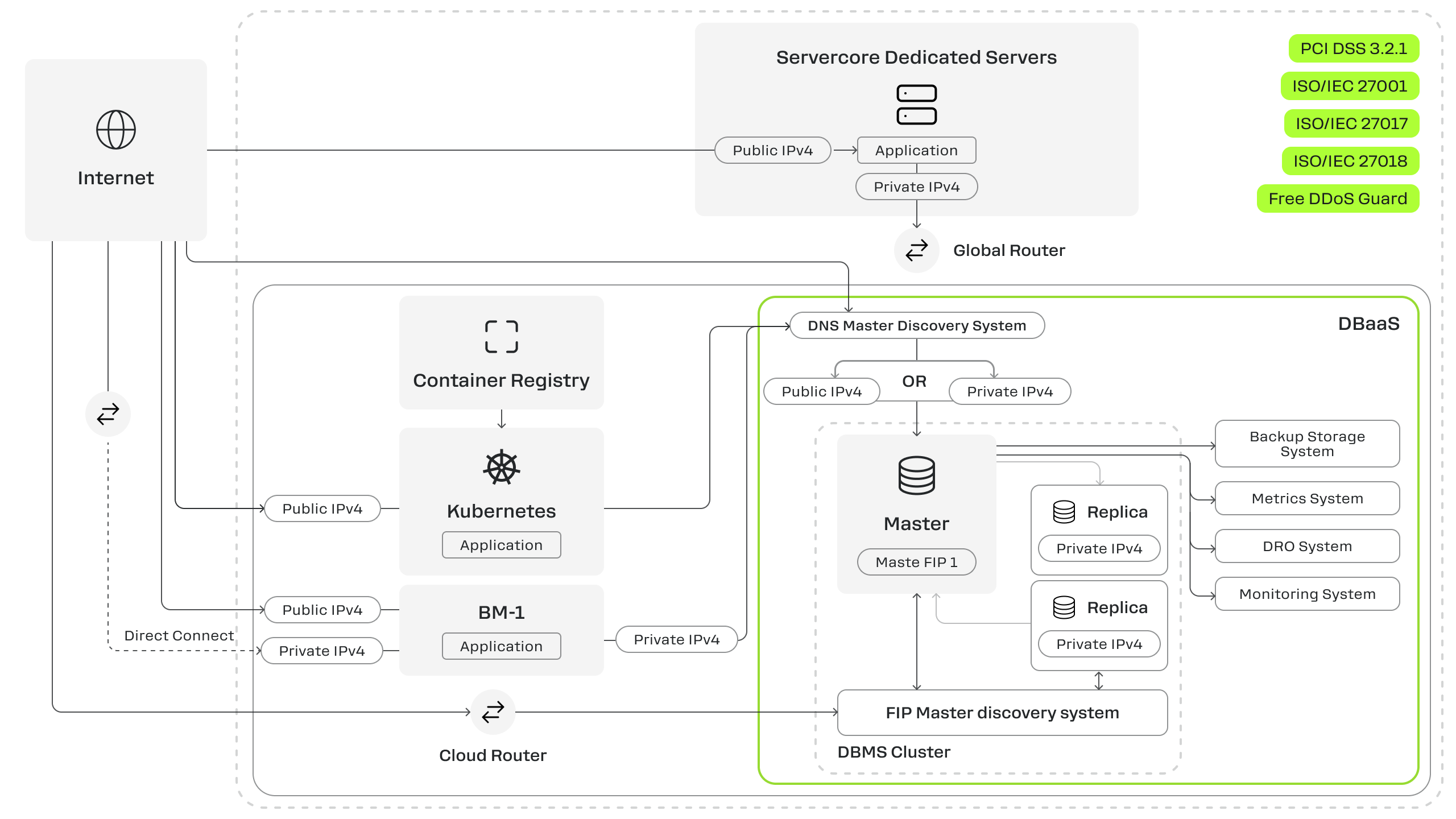
Network Connectivity Between Products to Build a Unified Infrastructure
Internet
L2VPN network
Global router (L3VPN)
How to Use Cloud Databases with Other Products
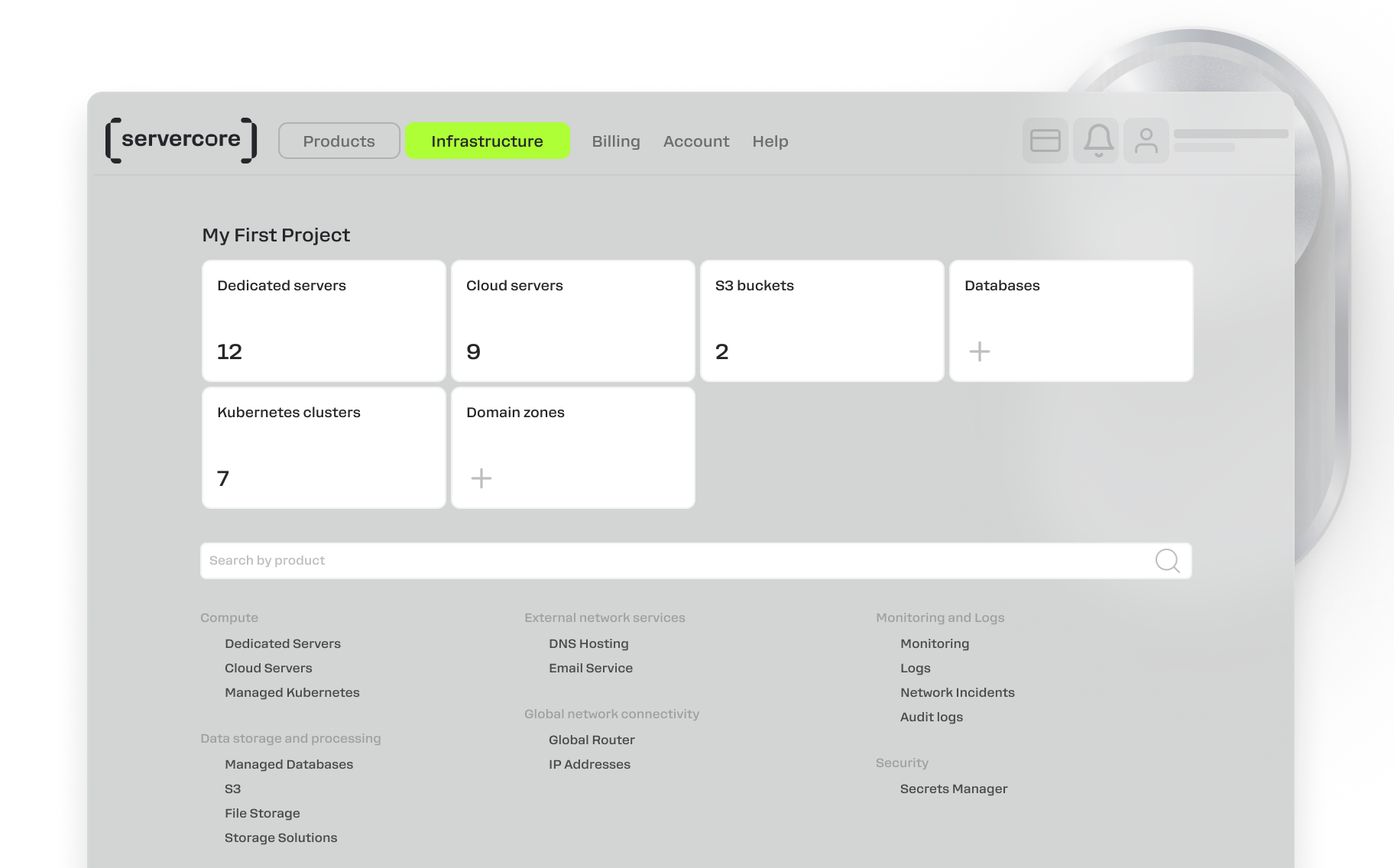
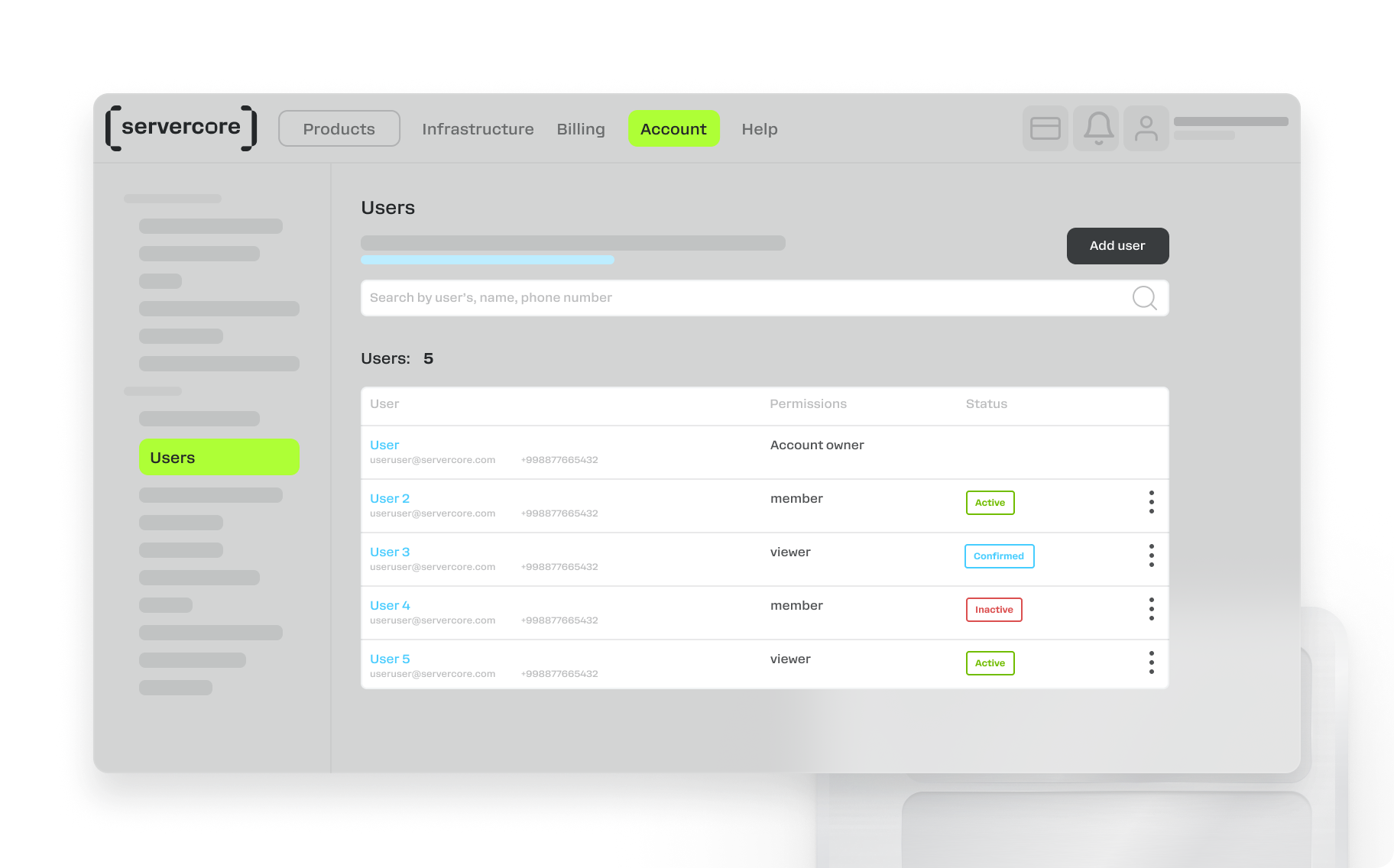
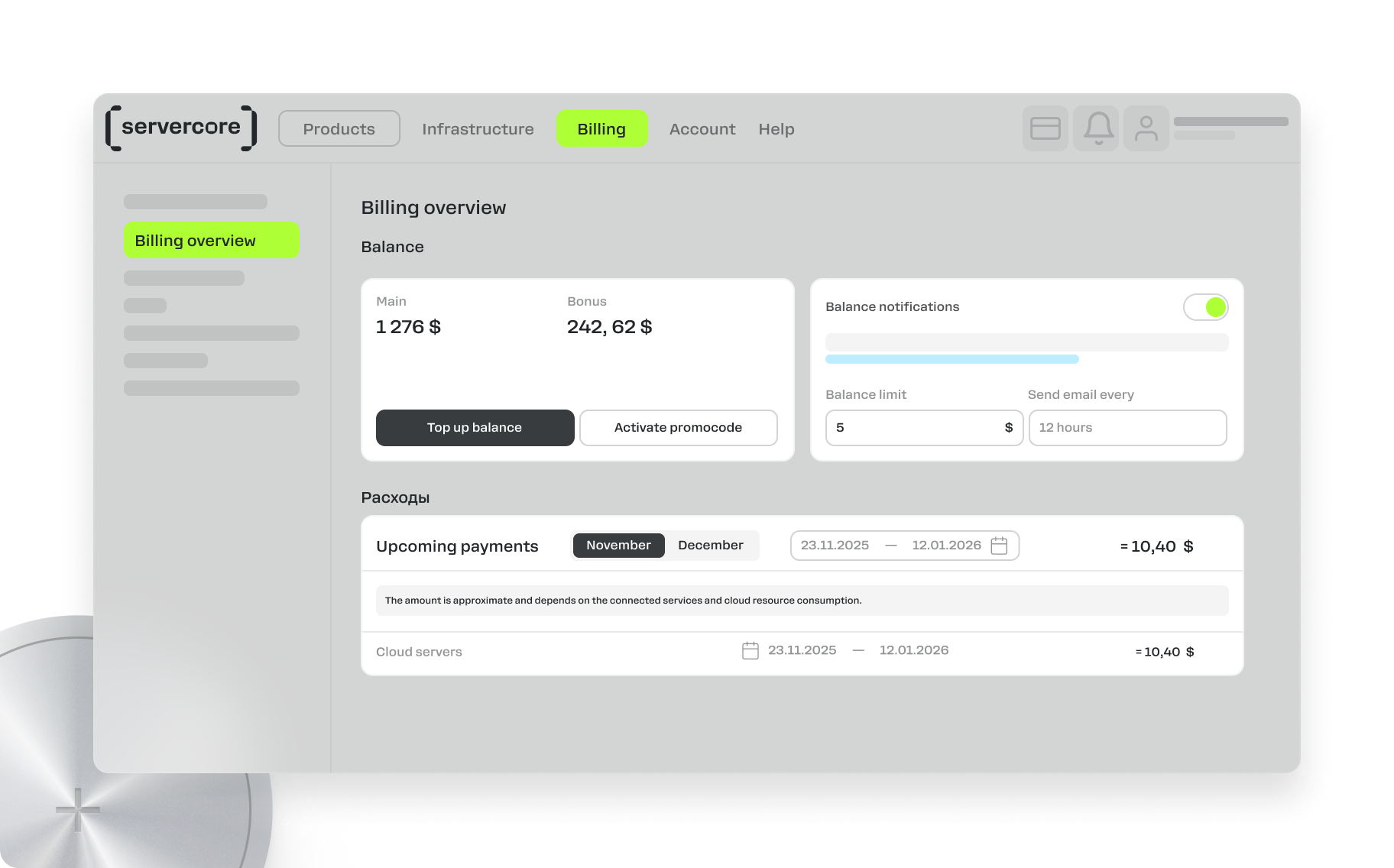
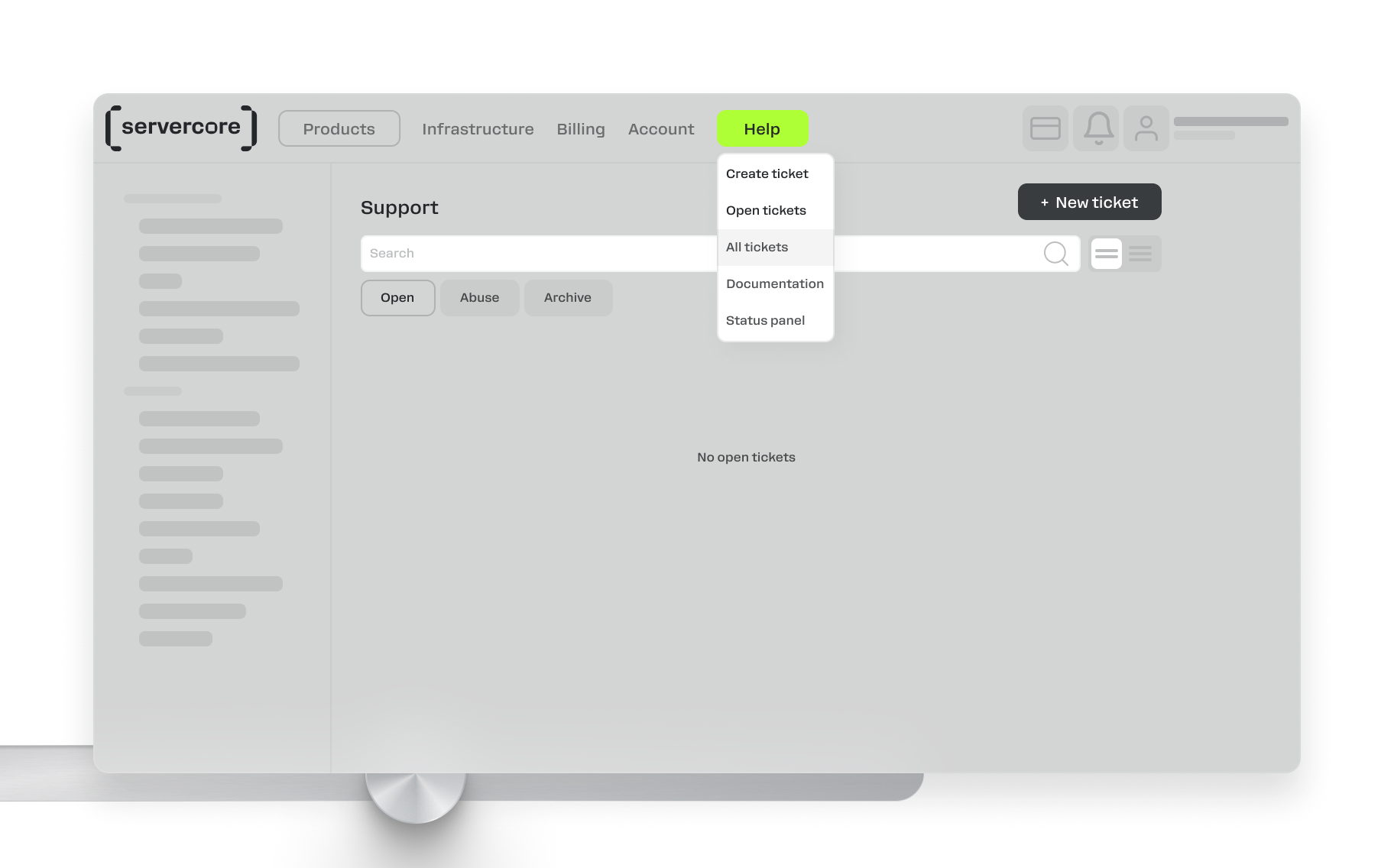
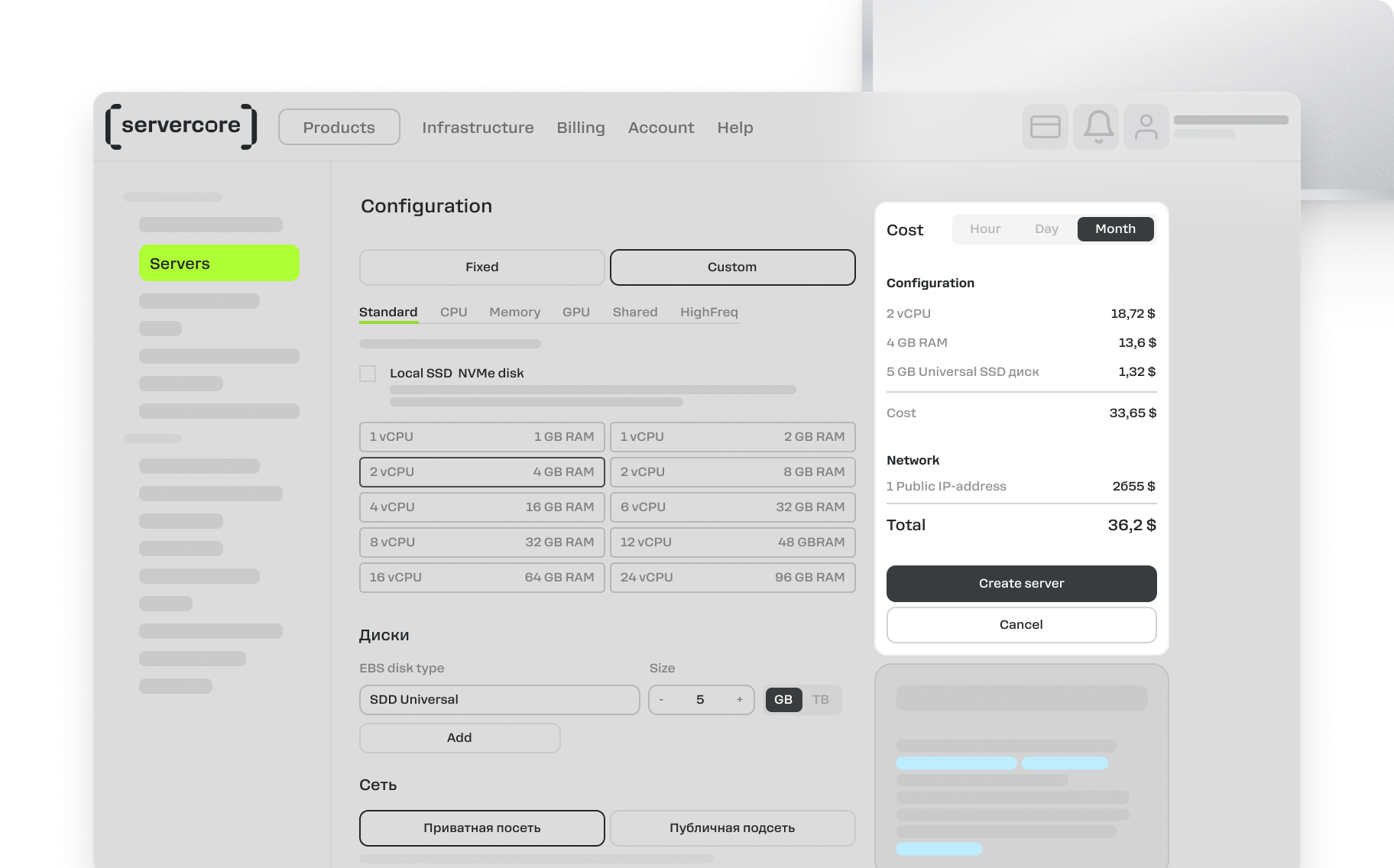
Work from User-Friendly Control Panel
Compatible Products and Services for More Efficient Work
Cloud Servers
Cloud-Based GPU Servers
Dedicated Servers
Shared vCPU Cloud Servers
Managed Kubernetes
S3 Cloud Object Storage
Cloud-Based File Storage
Cloud Backup Solutions
Managed Cloud Databases

MySQL Cloud Databases

PostgreSQL Cloud Databases

Kafka Cloud Databases

TimescaleDB Cloud Databases
Secrets Manager
Global Router (L3VPN)
Anti-DDoS Solutions
Private DNS Server
Free DNS Hosting Service
Direct Connect
Servercore Mail Service
FAQ
Managed Databases is a cloud service from Servercore. This provides a ready-made solution for easily and quickly deploying database clusters in the cloud. A cluster can consist of one or multiple servers configured for data replication to ensure high availability and have automatic failover to protect against failures.
Cloud databases also include automated backup feature. This ensures data safety and preservation in unforeseen circumstances.
Register in our control panel and create your first cluster. We will handle all other technical aspects of deploying Redis in the cloud.
Yes, the backup process is automated for Redis. This means you do not have to manually create backups or worry about data preservation. Backup management is available through the interface in our control panel.
The Redis cloud database supports a wide range of programming languages and protocols, including:
— Python
— Java
— PHP
— Perl
— Go
— Ruby
— C / C# / C++
— JavaScript
— Node.js
Additionally, the cloud database can integrate with various apps and tools designed for use with Redis.
The most common use cases for Redis include:
— Data caching to enhance application performance.
— Supporting chat and real-time messaging.
— Managing message queues.
— Creating leaderboards and rankings in games.
— Storing user session data.
— Streaming multimedia content.
— Handling geospatial data for location analysis and navigation.
— Supporting machine learning applications.
— Real-time data analytics.
Memcached does not support complex data structures, information replication, snapshots, certain data types (e.g., geospatial), and has other limitations. However, Memcached boasts high speed because it is a multi-threaded storage system, unlike Redis.
Nevertheless, Redis offers modern tools for data processing, due to which it is more often used in various projects.
In addition to Redis, you can rent the following DBMSs on our cloud platform:
— PostgreSQL
— MySQL
— TimescaleDB
— Kafka